Experience behind every seal replacement
More than 10 years in business and over 5,000 completed jobs across the Denver metro, including bottom seal and weatherstripping replacements of every kind.
 Bolt Garage Door RepairExperienced. Reliable. Done Right.Call 720-500-7199
Bolt Garage Door Repair · Denver metro
Bolt replaces worn and cracked garage door bottom seals and weatherstripping across the Denver metro, restoring a tight closure that blocks drafts, water and pests.
Why choose Bolt
More than 10 years in business and over 5,000 completed jobs across the Denver metro, including bottom seal and weatherstripping replacements of every kind.
Bolt inspects the door and opener together, so a new bottom seal sits on a door that closes evenly and seats against the floor.
You receive the measured seal size, proposed parts and labor in writing before any bottom seal replacement is approved.
USA-made seals, retainers and hardware can be requested, and Bolt is reachable around the clock when a door will not seal against the weather.
Trained technicians check the retainer, the bottom section and the door's balance, so the new seal is not fighting an uneven or sagging door.
Bolt focuses on residential garage doors across Denver and the surrounding metro, so you work with the same local team from first call to final test.
When to call
The bottom seal is the flexible strip along the base of the door that presses against the floor as the door closes. Over years of Colorado sun, cold and road grit it hardens, cracks, tears or flattens, and it stops sealing. You may notice daylight under a closed door, a visible gap at one corner, or a strip of rubber hanging loose.
Water seeping in during rain or snowmelt, drafts you can feel near the floor, and leaves or insects collecting just inside the door are all signs the seal has given out. A seal that still looks intact can be too stiff to compress, so checking it as the door meets an even floor is the reliable test.
Most sectional doors use a rubber or vinyl seal that slides into an aluminum retainer along the bottom section. Common profiles include T-style seals with one or two T-shaped beads, bead or P-bulb styles, and U-shaped seals, and each fits a specific retainer channel. Older or wood doors may instead use a seal nailed or stapled directly to the bottom edge.
Matching the new seal to the existing retainer, or replacing the retainer when it is bent or corroded, is what keeps the seal seated and weather-tight. Width, bead shape and door height all matter, which is why the bottom is measured before the correct seal and any retainer are selected.
A technician opens the door to reach the bottom section, removes the old seal from its retainer or edge, and clears out grit and old adhesive. The retainer is inspected for dents, corrosion or loose fasteners and is straightened or replaced if it will not hold a seal properly.
The correct seal is cut to length and fed into the track, then the door is lowered to confirm it compresses evenly across the full width with no gaps at the corners. If the floor is uneven or the door sits crooked, that is noted, because a new seal cannot make up for a door that does not close level.
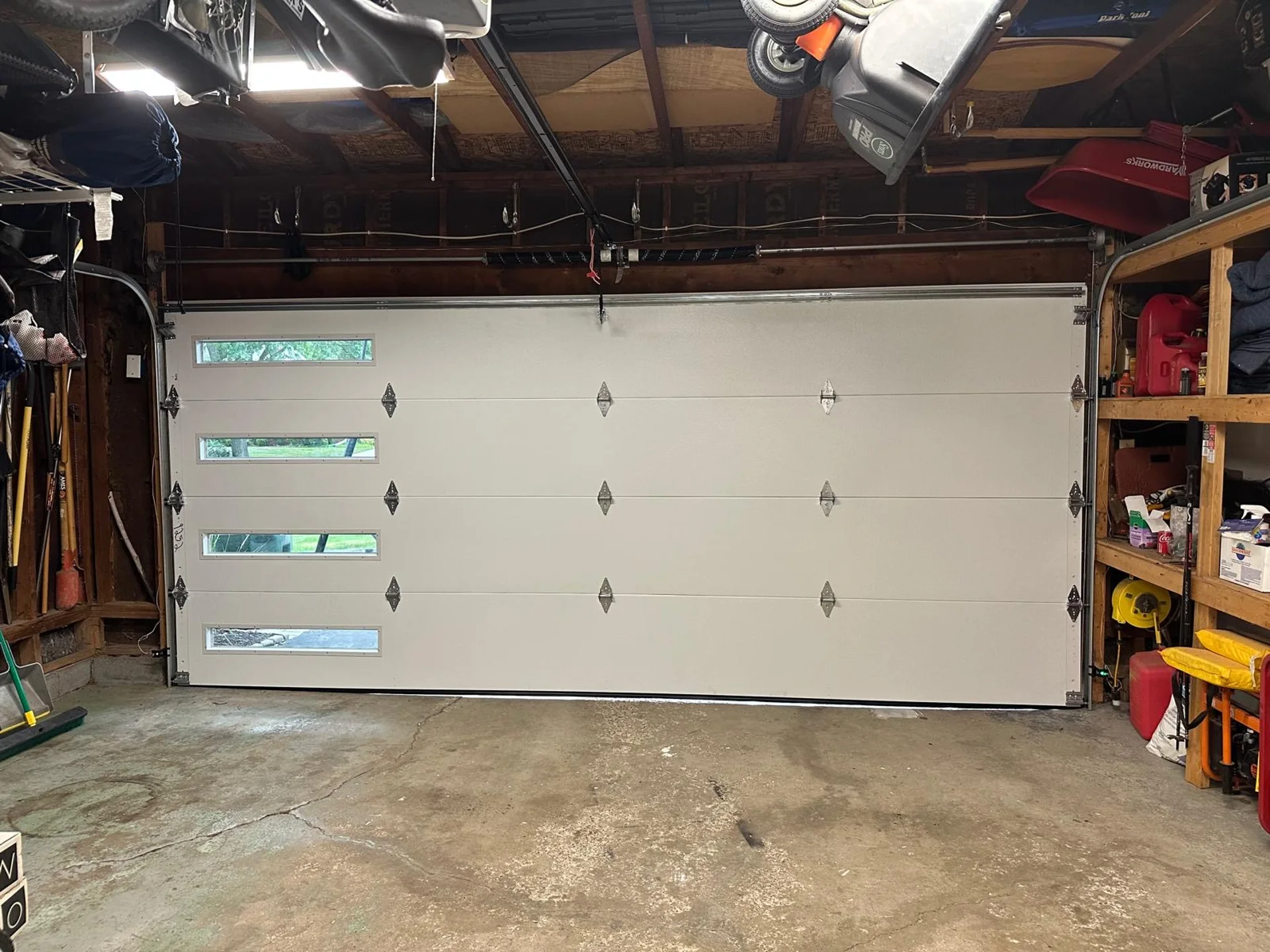
A seated seal blocks the cold air that slips under a worn strip
Rain and snowmelt are held back from running under the door
Insects, mice, leaves and dust lose the gap they came through
The seal compresses evenly so the door closes tight across its width
The right seal depends on your door, its retainer and the height of the opening. Bolt measures the bottom and provides a written estimate before any replacement.
Look for daylight, drafts or water under a closed door, and check the rubber for cracks, tears or flattening. If it no longer compresses against the floor along the full width, it needs replacing.
In most cases only the seal, and the retainer if it is damaged. The bottom section itself is replaced only when it is bent, rusted or cracked enough that it will not hold a seal.
Seals come in several profiles and widths to match different retainers. We measure the bottom and the retainer channel so the correct seal is fitted; USA-made seals and hardware can be requested.
Usually the profile or width does not match the retainer, the seal is not fully seated, or the door closes unevenly. We check the retainer and how the door meets the floor, not just the rubber.
Bolt serves the Denver metro area, including Lakewood, Arvada, Aurora and Littleton. Confirm availability for your address when booking.
Yes. A correctly fitted seal closes the gap along the floor that lets in drafts, rain, snowmelt, dust and small pests. It works best on a door that already closes level and straight.
Our services
Compare repairs, matching sections and complete replacement door configurations.
Explore replacement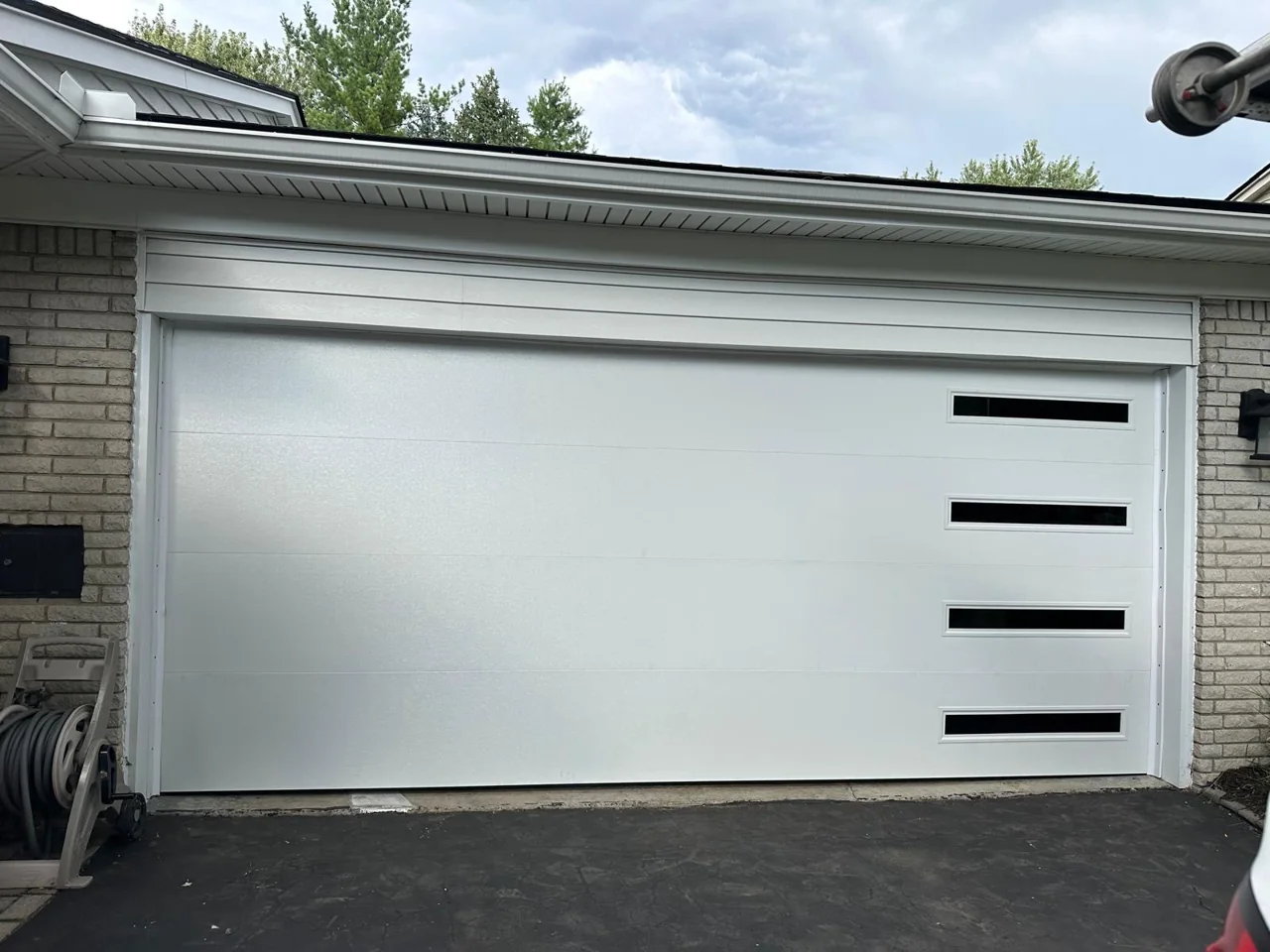
New door specifications, opening measurements, hardware and final operating checks.
Explore installation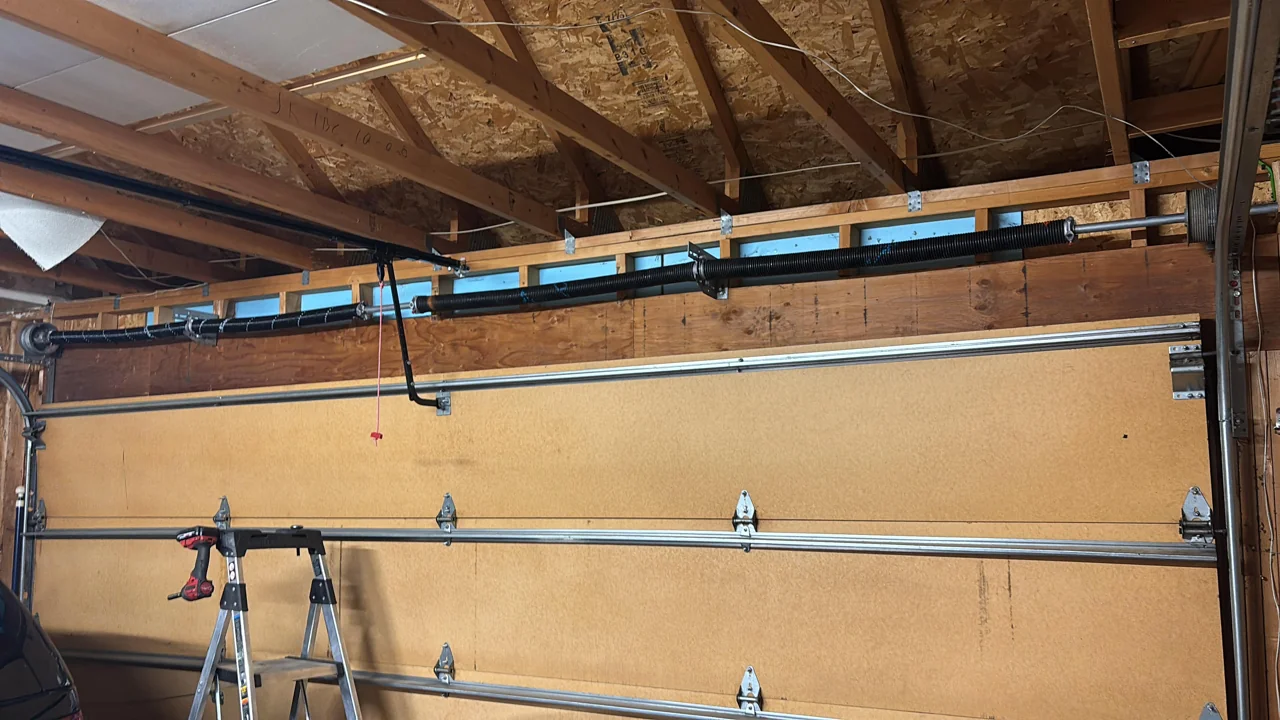
Spring-system inspection, correctly matched replacement options and door balance checks.
Explore spring repair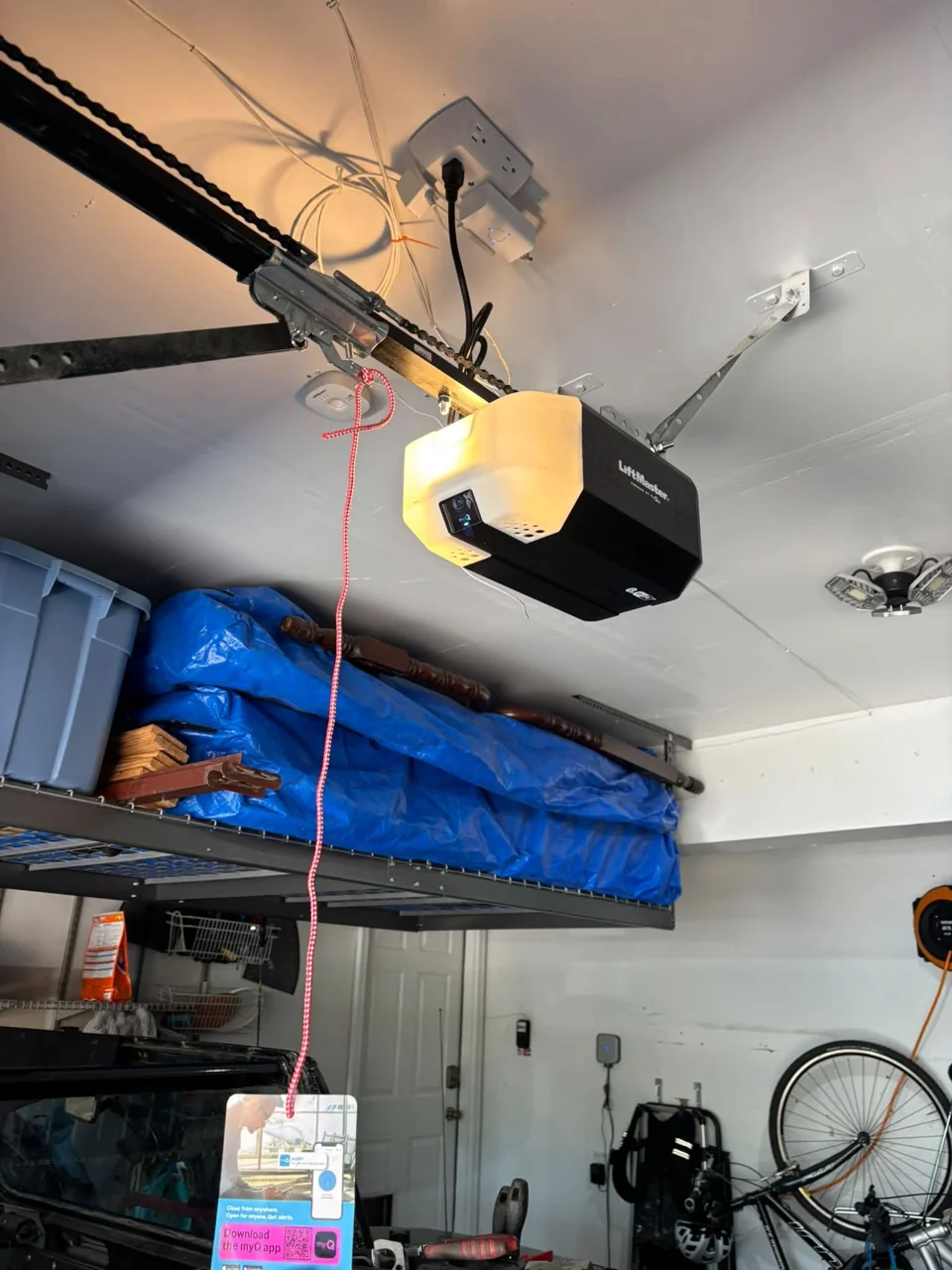
Model-specific diagnosis for openers, remotes, keypads and safety sensors.
Explore opener repair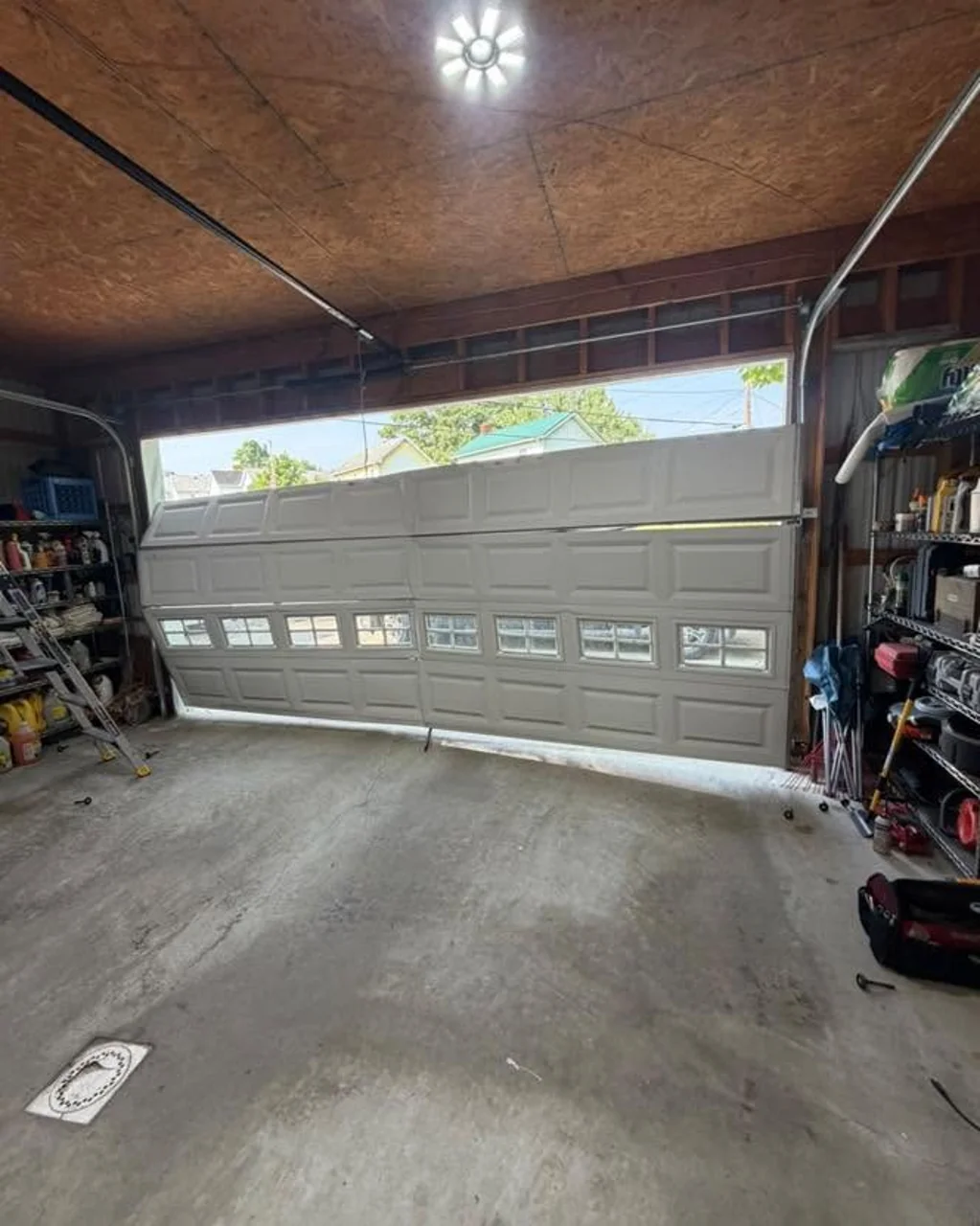
Inspection of crooked or jammed doors, tracks, rollers and resulting section damage.
Explore off-track repair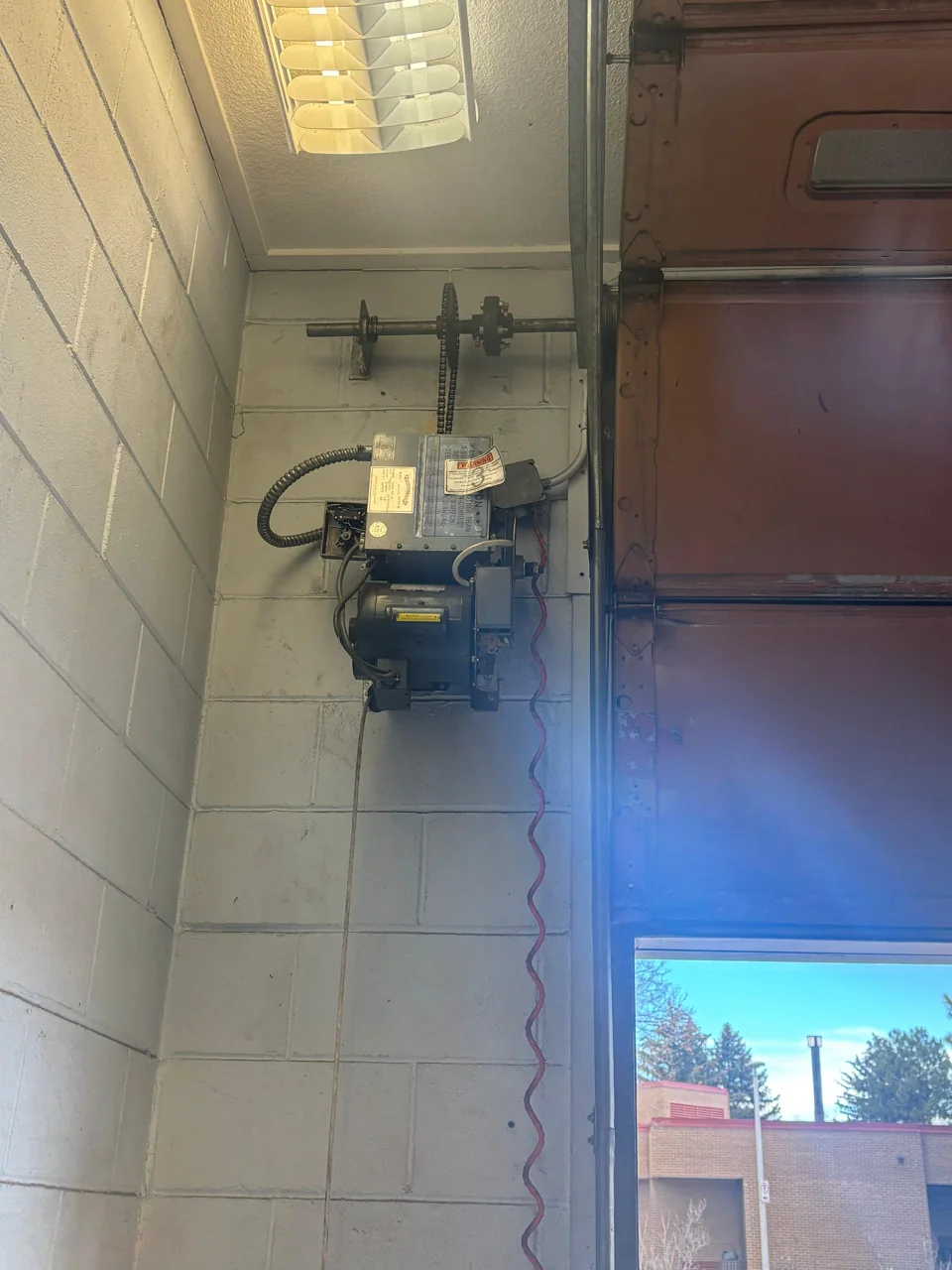
Lift-cable and drum inspection with attention to spring condition and door balance.
Explore cable repair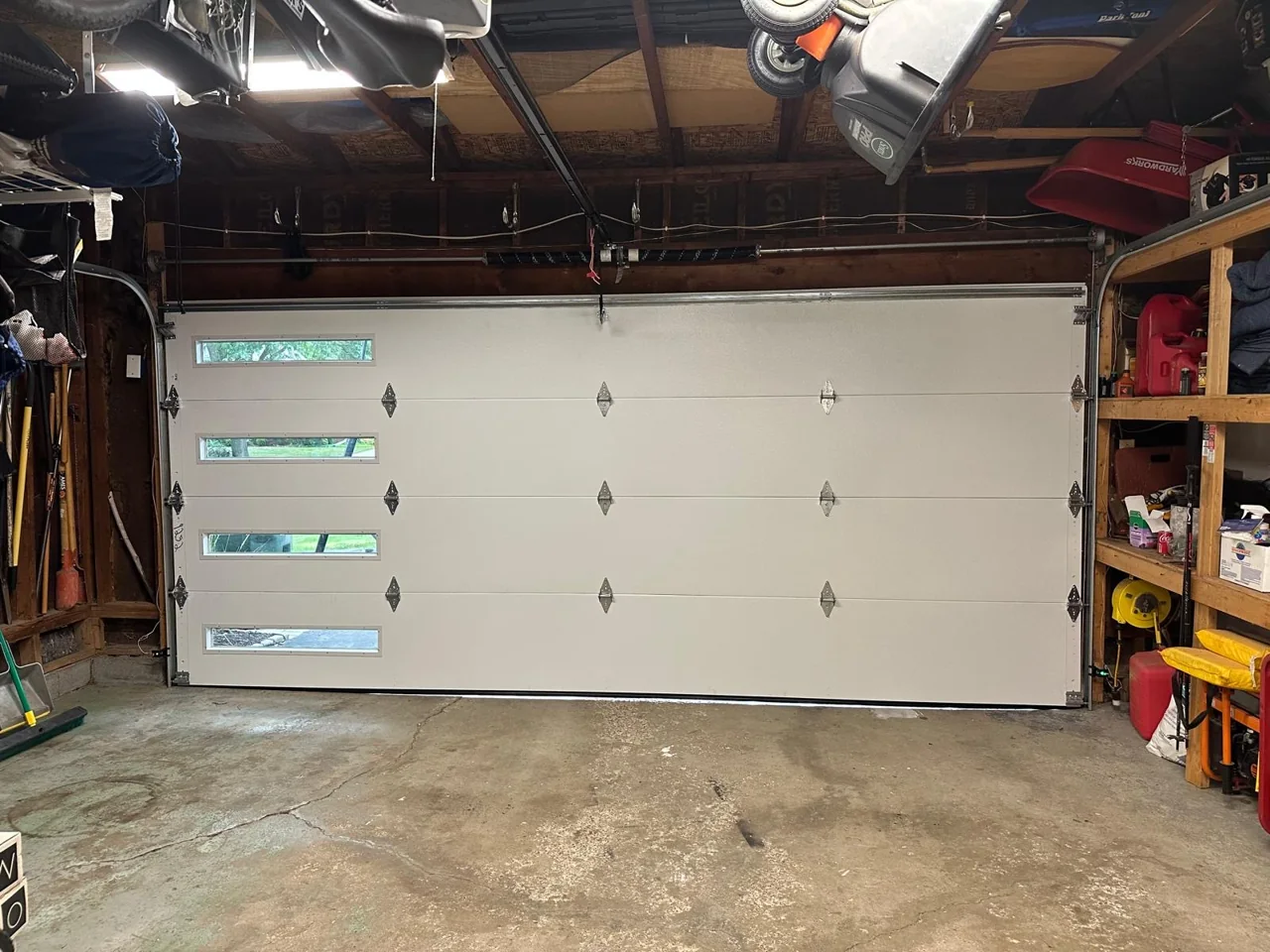
Door-system inspections, approved maintenance and model-specific safety checks.
Explore maintenanceReplacing broken torsion and extension springs with correctly matched, long-life parts.
Explore spring replacement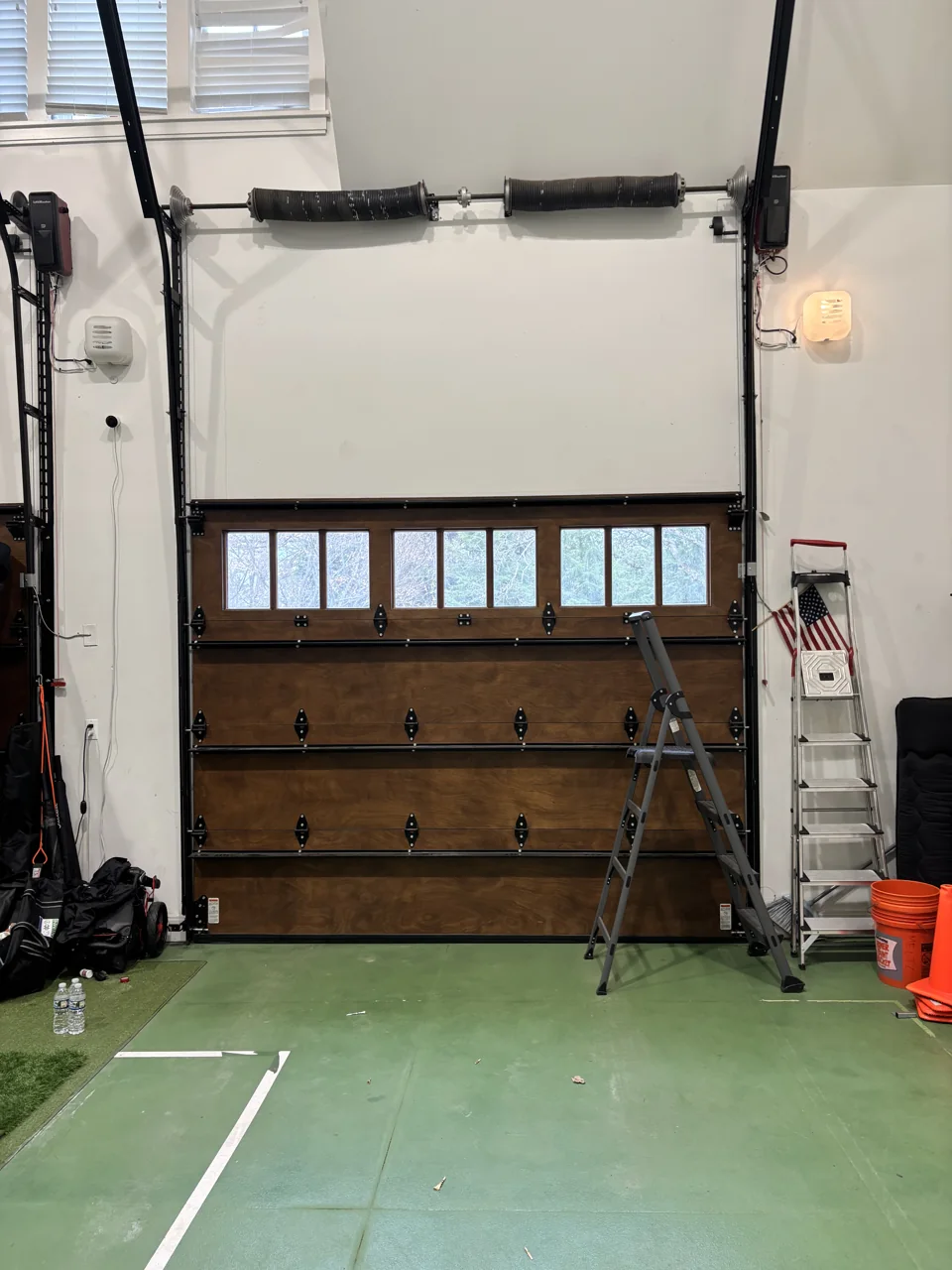
Replacing frayed or snapped lift cables in matched pairs, with balance checks.
Explore cable replacement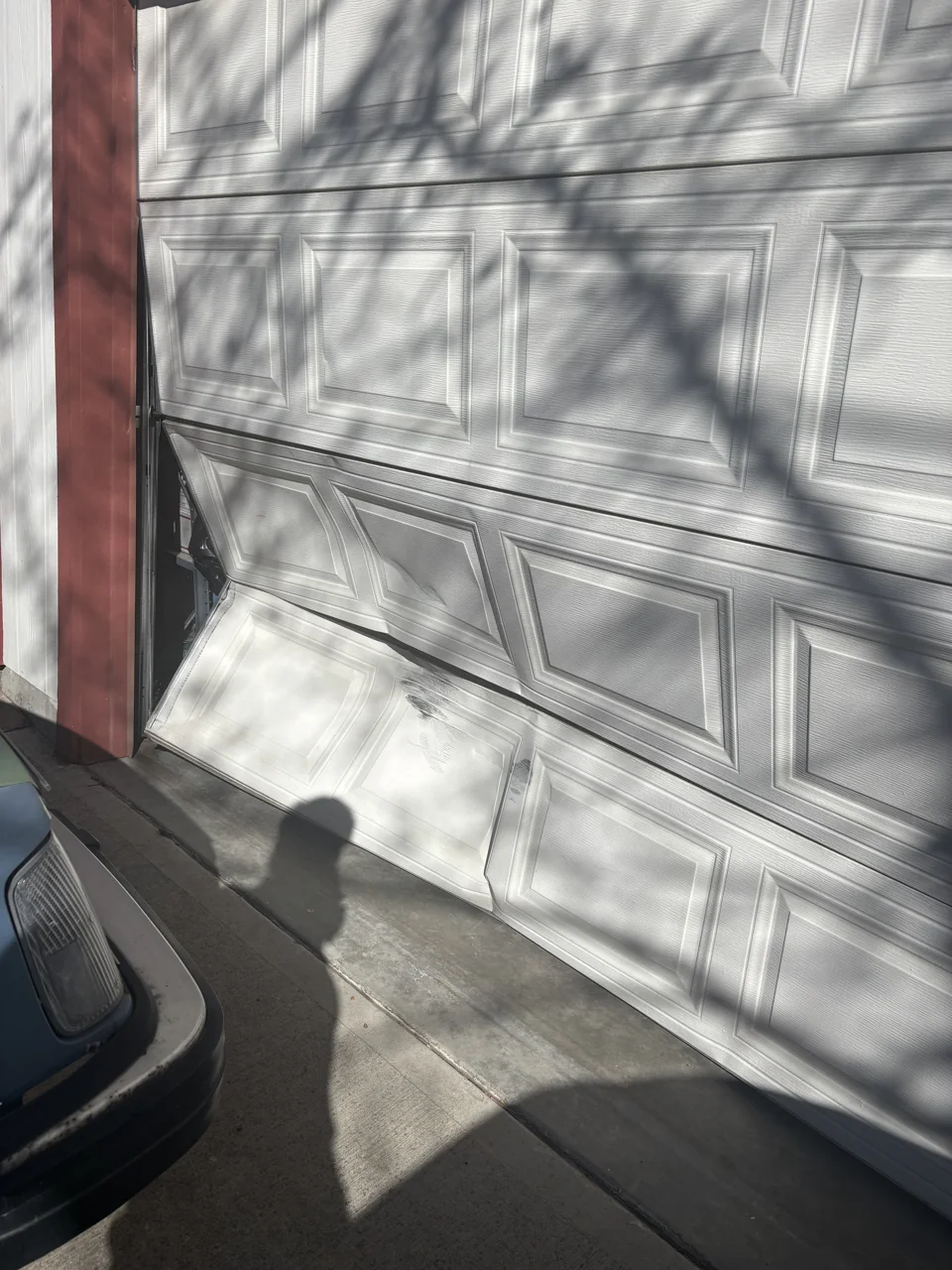
Installing and programming a new opener, remotes, keypad and safety sensors.
Explore opener installation
Replacing worn bottom seals and weatherstripping to block drafts, water and pests.
Explore bottom seal replacement
Repairing overhead sectional and rolling steel doors for Denver-area businesses.
Explore commercial repairGoogle reviews
Selected excerpts from reviews of Bolt Garage Door Repair on Google.

Read review on GoogleFixed opener quickly and got us back to normal. Thank you, Ben!
Read review on GoogleGreat experience! They repaired our garage door and made sure everything was working properly before they left.
Read review on GoogleThey done good service for me. Very fast and professional. They put for me a brand new opener. Super quite and fast.

Read review on Googlegood company - they fixed my problem at the same day. thanks a lot
Read review on GoogleThey fix my garage door at the same day.! Very professional.

Read review on GoogleBolt did an excellent job tuning up my garage doors. I would definitely recommend them!
We value your feedback! Please rate our service.
✓
Thank you for your feedback!

I had a great experience with Bolt Garage Door Repair. Clear communication and a smooth process.
Service area
Bolt Garage Door Repair helps homeowners throughout Denver and the surrounding metro. Choose your community to explore repair services and request an appointment.
View all Denver metro city pagesHow a seal replacement works
Let us know where you see light, drafts or water, and roughly how wide and tall the door is.
A technician measures the bottom, checks the retainer profile and confirms the door closes level before choosing a seal.
You receive the correct seal and any retainer, with parts and labor, in a written estimate before work begins.
The new seal is fitted and the door is lowered to confirm it compresses evenly with no gaps at the corners.
Bottom seal check
A bottom seal is a small part with a big job. Here is how to tell when yours has worn out, and what a correctly fitted replacement puts back, confirmed with a written Bolt estimate.
Talk to Bolt
Include your city, the door's position and any visible damage. Confirm the appointment window and service-call details before booking.
720-500-7199Open 24/7