
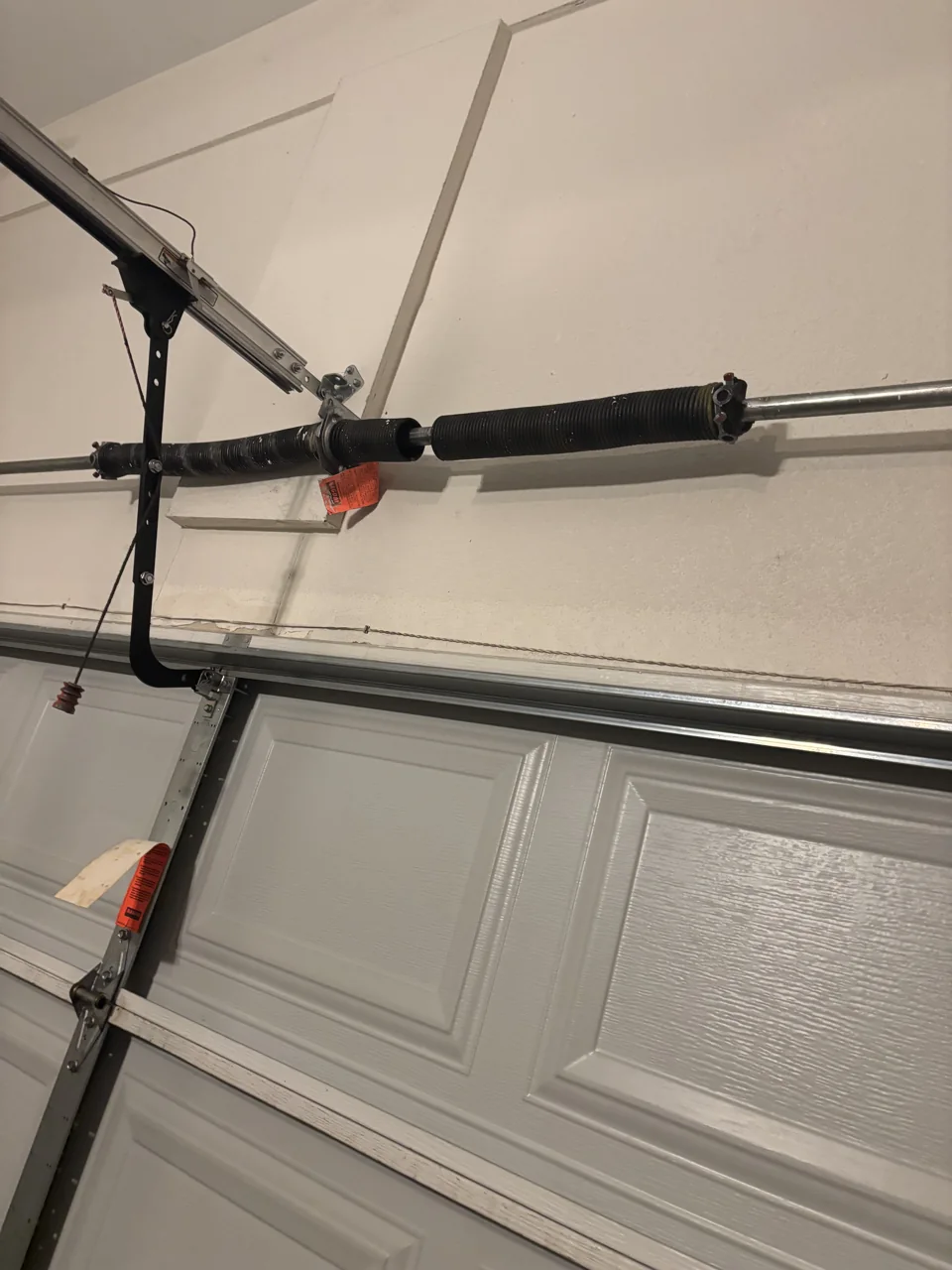
When to call
Recognize the condition.
- A new noise or change in normal movement
- Visible roller, hinge or cable wear
- A seal is torn or daylight appears around the opening
- You want a professional system check before winter
Inspect before adjusting
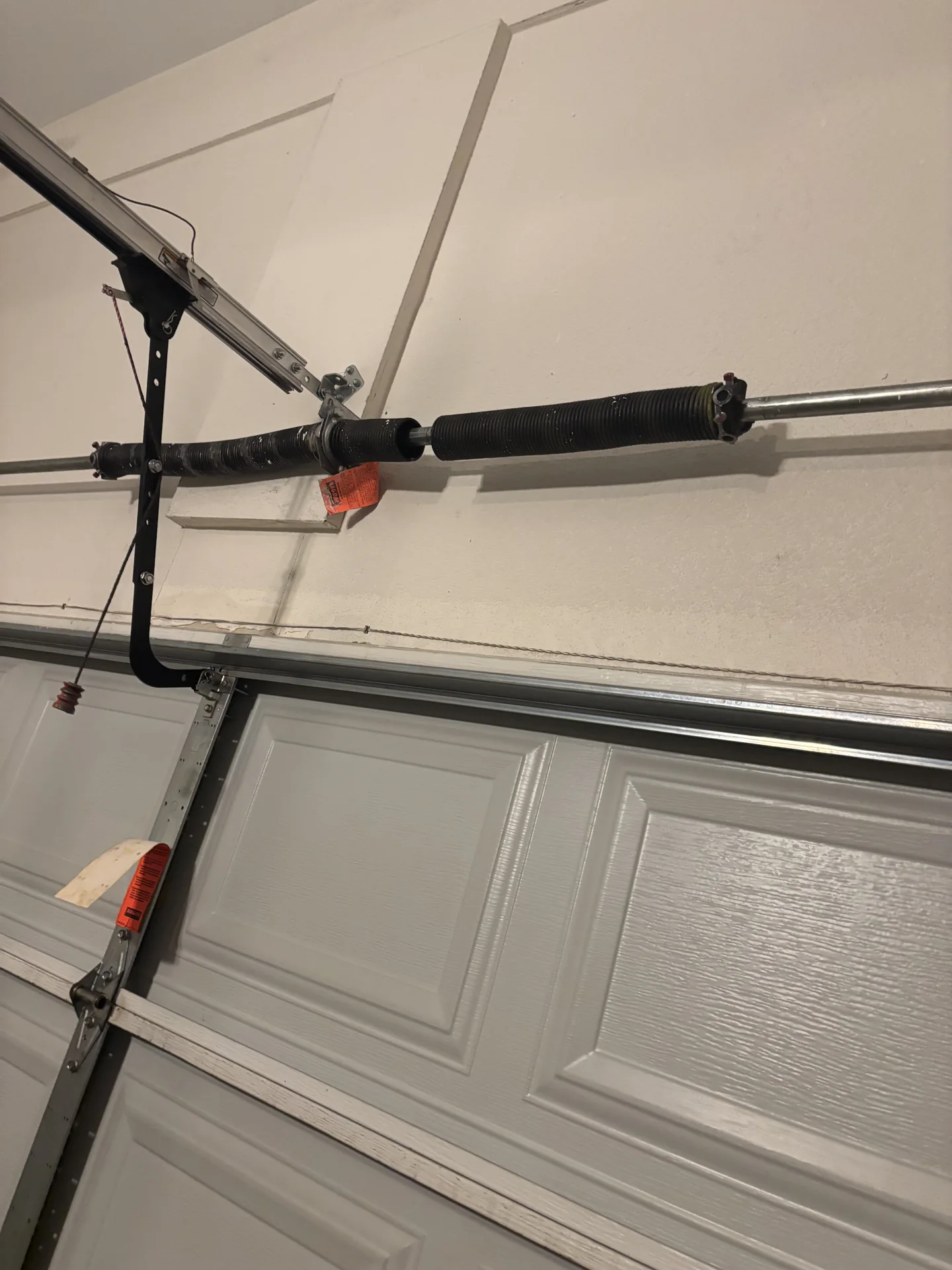
A useful inspection covers the sections, hinges, rollers, tracks, cable paths, springs, bearings and opener connection. Explain any new sound or movement and bring the door and opener model information if available. A simple history helps distinguish a gradual change from a sudden failure.
If the door is crooked, off track or affected by a broken spring or damaged cable, it needs repair assessment rather than routine maintenance. Stop using it. A tune-up is not permission to keep operating a visibly unsafe system until a scheduled visit.
Maintenance depends on the equipment
Lubrication points and approved products differ across door materials and opener drives. Follow the exact manufacturer's guidance. Keep tracks and sensor lenses clean; do not use grease or spray as a way to conceal grinding, a bent component or abnormal motion.
Professional work may include appropriate lubrication, condition checks and model-specific safety testing. Ask which adjustments and tests are included in the quote and which repairs are separate. A checklist should explain findings rather than imply that every component needs adjustment at every visit.
Plan seasonal checks in the Denver metro
Before winter, inspect visible weather seals, keep the opening free of debris and watch for water collecting near the bottom edge. If a seal is frozen to the ground, do not repeatedly run the opener to pull it free. Water drainage and a door's closing position may need attention beyond replacing rubber.
After an impact or storm, look for visible damage from a safe position before normal operation. Keep a record of service dates, parts and safety-test results. Discuss inspection frequency based on use, condition and the manufacturer's maintenance instructions, not a promise that a tune-up will prevent every breakdown.
Denver, CO ·
What your estimate should clarify
Inspection
Components examined and findings documented
Maintenance
Approved cleaning and lubrication included
Safety
Door movement and equipment-specific operating tests
Separate work
Repairs, parts and follow-up recommendations
Pricing, available parts and warranty coverage depend on the proposed work. Request the details in writing before you approve a repair or installation.
Maintenance: common questions
Will lubrication fix a noisy door?
Only if the cause is an approved lubrication need. Grinding, damage and abnormal movement require diagnosis rather than more spray.
How often should the door be inspected?
Follow the equipment instructions and discuss use and condition with the technician. New symptoms or visible damage should be checked sooner.
Does a tune-up include replacement parts?
Do not assume it does. Ask which tasks are included and request separate pricing for worn or damaged parts.